

By Rikki Broussard
•
July 23, 2026
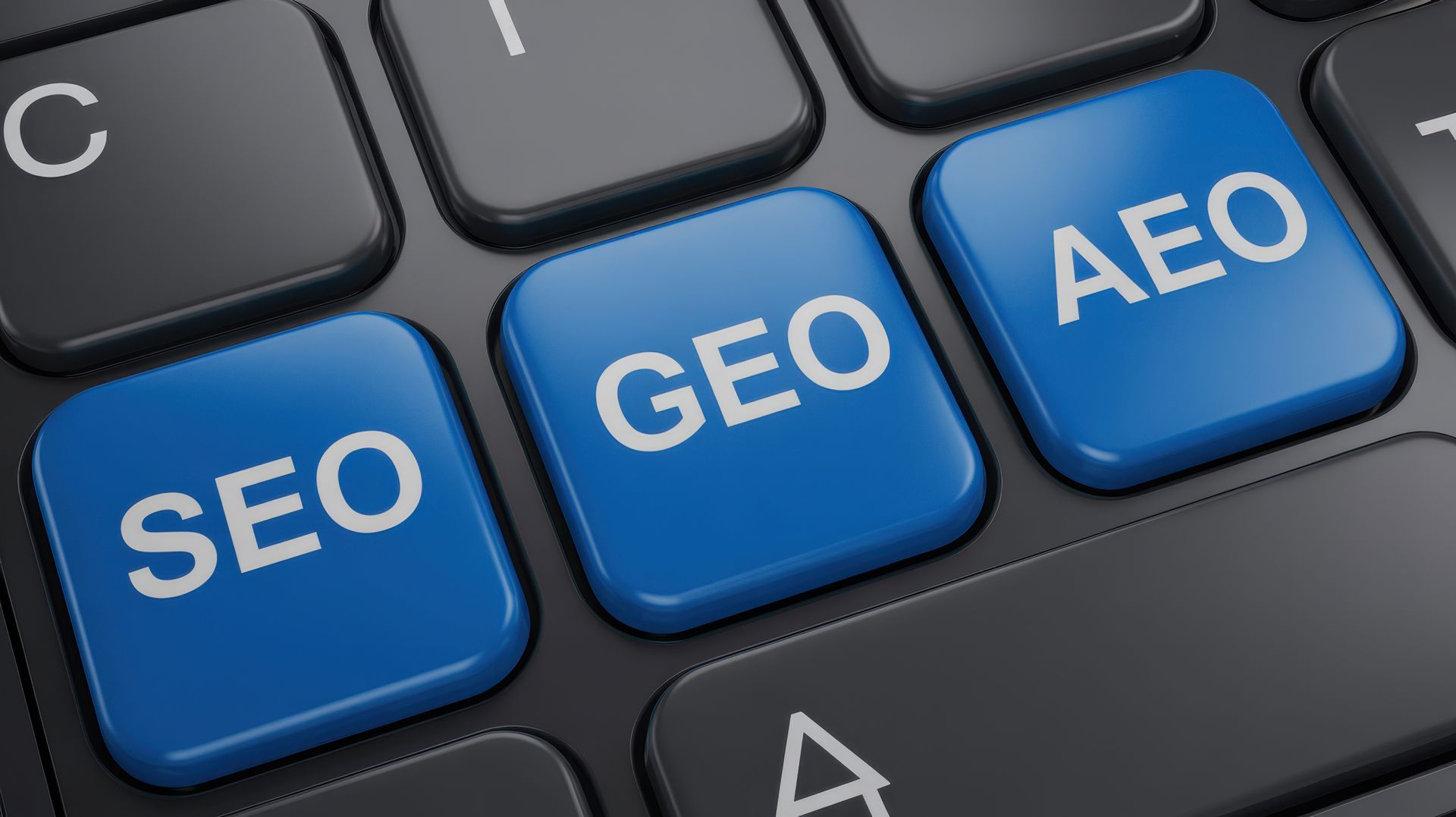
Your customers are still searching. They are just no longer searching in one place. They may start with Google, ask ChatGPT to compare their options, watch a YouTube video, look for examples on Instagram, read reviews, or open a map to find a nearby business. This does not mean your company needs to chase every new platform. It also does not mean SEO is dead. The best response to fragmented search is to strengthen the foundation you already have. Build a clear, credible website, answer the questions your customers ask, share real expertise, and ensure your business appears consistently on the platforms that matter to your audience. AEO, or Answer Engine Optimization, is part of that approach. It helps search engines and AI tools find and understand your answers, but it works best when it is built on strong SEO . Why Are Customers Searching in So Many Different Places? Customers are searching in more places because they now have more ways to find the type of information they want. Every Monday during our BlinkJar staff meeting, each person brings an industry update to discuss. One recent conversation about artificial intelligence and its impact on search reminded me of what happened to television. Jared, my husband and BlinkJar’s founder , spent years working in television. At one time, a few broadcast networks held most of the audience. Then cable created more choices. Streaming services, YouTube, social video, and on-demand programming divided attention even further. Television did not disappear. People gained more ways to watch. Search is moving in the same direction. A prospective customer may search Google for a service, ask an AI assistant to explain the differences between providers, watch a video to see how something works, and read reviews before visiting a company’s website. The challenge is not that Google has stopped working. It is that businesses can no longer assume every customer will begin there. Does My Business Still Need SEO? Yes, your business absolutely needs SEO as it remains the foundation of being discovered online. Google continues to drive valuable, high-intent traffic for businesses. A strong website also gives AI tools, maps, social platforms, and prospective customers a reliable place to learn who you are and what you offer. Your website needs clear service pages, useful location information, simple navigation, relevant internal links, and a sound technical structure. Search engines must be able to crawl, index, and understand your pages. Traditional SEO is not being replaced. It is supporting a larger discovery ecosystem. Think of your website as your company’s home base. Social media, maps, reviews, search engines, and AI tools may help customers find you, but your website is where you control the complete story.