


Pay Per Click and SEO: What's the Difference?
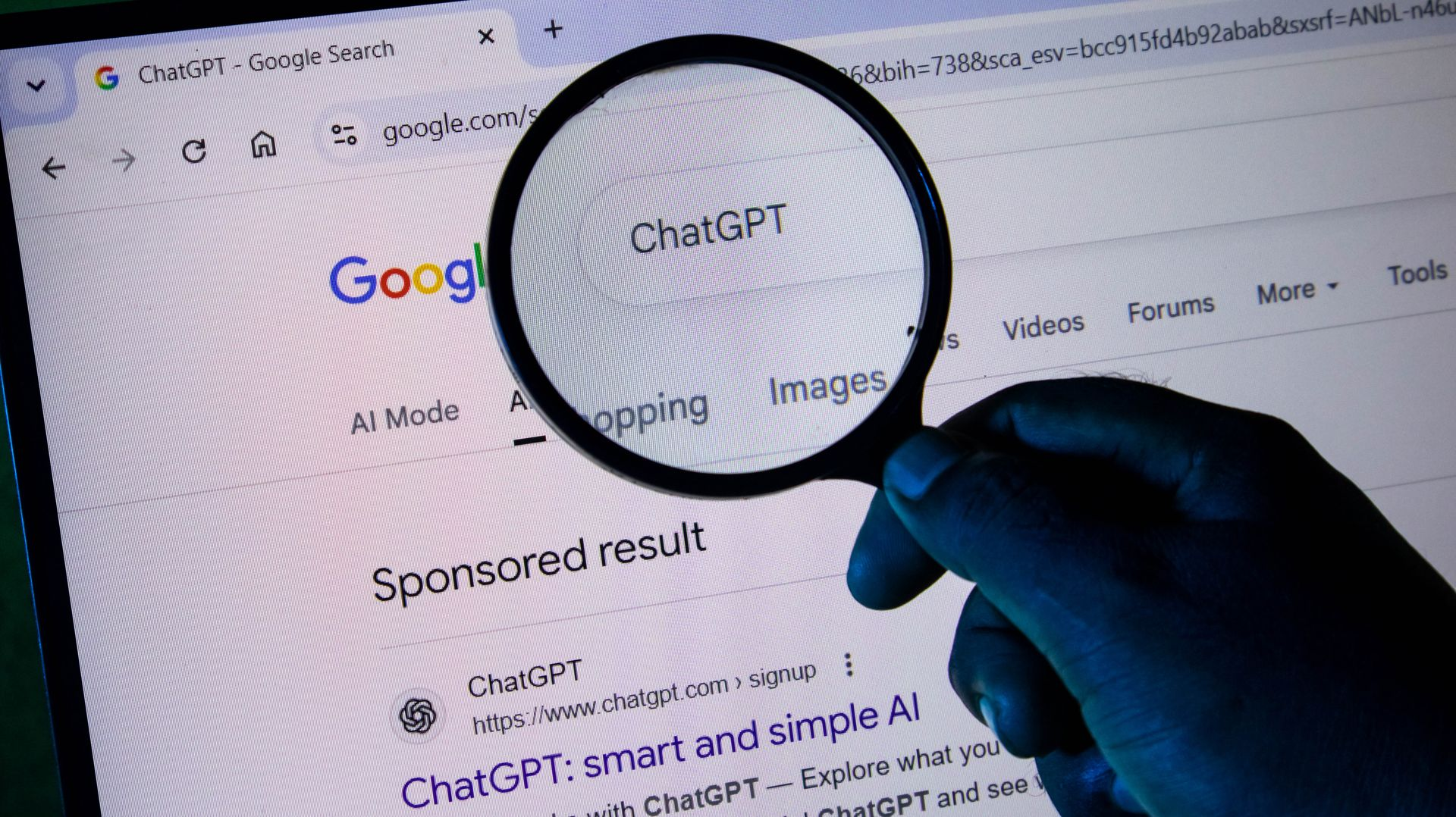
Welcome to BlinkJargon, where we cut through the jargon of web marketing in the blink of an eye. When Google returns your search result, there are two types of results: organic and paid. Organic rankings are sites that are the closest match to the search query based on relevance and authority. These rankings are usually earned through relevant content creation. Paid results are essentially advertisements. Companies use Pay Per Click to rank instantly around selected keywords. How can you tell the difference? On a search results page, Google will set the paid results on the very top of the page and to the right of the organic listings. Paid results also have a shaded background and possibly other key differences. Paid ads provide immediate volume, but only provide results as long as the customer continues to pays for clicks. The non-paid rankings are labeled organic and fall into the middle of the page. These rankings are earned through relevant content creation. Organic rankings have more value, as statistics show that these rankings are more visible and more trusted by the user. Studies show:
- 88 percent of online search dollars are spent on paid results, even though 85% of searchers click on organic results.
- One hundred percent of searchers look at the first organic result, while only 50% look at the first paid result.
Hopefully, this segment of BlinkJargon has helped you understand the difference between an organic result and a paid ranking. For more details on SEO or PPC, please log on to BlinkJar Media and click on the BlinkJargon link. Thanks.